

Repairing a Mercedes Benz Transmission 55892265 Mercedes Benz Transmission Problems
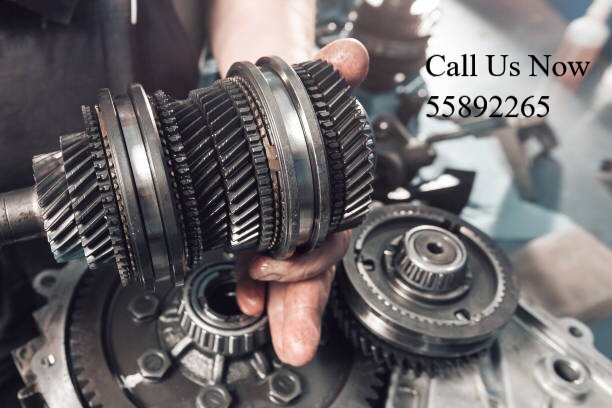
Repairing a Mercedes Benz transmission is a precise task that requires a high level of expertise and knowledge of the advanced transmission systems that characterize these vehicles. The process isn’t limited to replacing defective parts; it begins with a comprehensive diagnosis using specialized tools to read fault codes and analyze technical data.
This is followed by careful disassembly of the transmission and a thorough inspection of all internal components such as gears, clutches, seals, hydraulic valves, and the electronic control unit (mechatronics unit).
After identifying the faults, the damaged parts are replaced with original or high-quality equivalent parts. The transmission is then reassembled with meticulous care to ensure proper and accurate installation.
Additionally, the repair process often includes updating the software of the transmission control module (TCM) and performing a system reconfiguration to ensure smooth and efficient operation.
These procedures restore the vehicle’s optimal performance and help reduce the likelihood of future transmission damage, thereby extending its lifespan.
Therefore, this Mercedes Benz transmission repair is carried out by specialized technicians equipped with the technical tools and knowledge necessary to meet Mercedes-Benz’s high standards55892265.
The Importance of Repairing the Mercedes Benz Transmission

Repairing the Mercedes Benz transmission is of utmost importance as it represents the core of the vehicle’s driving system. Beyond being just a set of gears, the transmission is an integrated system that smoothly and efficiently transfers power from the engine to the wheels.
For this reason, repairing it properly is essential for several key reasons:
Maintaining Vehicle Performance
The transmission is responsible for accelerating the vehicle smoothly and changing gears comfortably. Any malfunction directly affects the driving experience, including a decrease in power and torque. Repairing the transmission restores the vehicle’s originally designed performance.
Enhancing Safety While Driving
Transmission failures can cause sudden stops or an inability to change gears, which can put you in dangerous situations. Accurate repairs ensure the reliability of the system, enhancing your safety and the safety of passengers.
Avoiding High Long-Term Costs
Neglecting minor transmission issues can lead to greater internal damage or even negative effects on the engine itself. Addressing the problem and repairing the Mercedes Benz transmission early can save you from massive repair costs that could reach the need for a complete transmission replacement, one of the most expensive parts of the vehicle.
Improving Fuel Efficiency
An inefficient transmission forces the engine to work harder, increasing fuel consumption. By repairing malfunctions, energy efficiency and transfer can be improved, contributing to fuel savings and reduced expenses.
Maintaining the market value of the car
A Mercedes car that suffers from transmission problems loses a significant portion of its value upon sale. Ensuring that the transmission is in excellent condition enhances resale value and demonstrates your commitment to vehicle maintenance.
Maximizing the benefits of advanced Mercedes technology
Mercedes cars are equipped with advanced transmission systems such as 7G-Tronic and 9G-Tronic, which require precise technical skill and specialized software for proper repairs. Relying on professional technicians ensures that all electronic and mechanical components work in perfect harmony according to the vehicle’s design.
In summary, keeping the transmission in optimal operating condition is a smart investment to maintain the performance, safety, and overall efficiency of your car, while considering its future value.
Causes of Repairing the Mercedes Benz Transmission
The reasons for repairing the transmission in Mercedes-Benz vehicles vary, including natural factors related to wear and lifespan, as well as those resulting from neglect or technical errors. Understanding these reasons contributes to prevention and early detection of problems before they worsen.
Neglecting Regular Maintenance of Transmission Oil and Filter
This is considered the most common and impactful reason affecting transmission performance.
Deterioration of Oil Quality: Over time and with use, transmission oil loses its lubricating and cooling properties and may mix with metal particles resulting from the friction of internal components. This leads to increased heat and friction causing damage to the parts.
Clogged Filter: The oil filter prevents impurities from entering the sensitive parts of the transmission. Neglecting to change it leads to clogging, which hinders oil flow and causes a reduction in lubrication and internal pressure.
Using Incompatible Transmission Oil
Mercedes vehicles require carefully specified types of oils, such as oils with MB 236.14 or MB 236.15 specifications for 7G-Tronic and 9G-Tronic systems.
Chemical Incompatibility: Using non-compliant oil may damage seals and internal components due to unwanted reactions.
Insufficient Lubrication Properties: Choosing an unsuitable oil may not provide adequate lubrication and protection, increasing friction and wear between parts.
High Transmission Temperature
Excessive heat is considered one of the main causes of automatic transmission damage.
Low Oil Level: A decrease in oil level weakens the cooling process.
Clogged Oil Cooler: If the cooler is blocked or malfunctioning, it fails to dissipate heat efficiently.
Harsh driving conditions: Driving in crowded areas for long periods, towing heavy weights, or climbing hills excessively raises the transmission temperature.
Clutch wear: Excessive friction of the clutches generates additional heat.
Natural wear of internal parts: Over time and with prolonged use, signs of wear appear in the internal components of the transmission.
Wear of clutches and seals: These parts made of friction and rubber materials are subject to gradual damage, leading to transmission slippage or oil leaks.
Damage to gears and bearings: Excessive use or insufficient lubrication may lead to damage to these parts, causing unusual noises or difficulty in shifting gears.
Problems with the electronic control unit (Mechatronic Unit): The mechatronic unit represents the brain responsible for controlling the electronic and hydraulic components of the transmission.
Sensor malfunctions: A malfunction of speed or temperature sensors sends incorrect readings to the electronic unit, affecting performance.
Valve issues: The valves are responsible for controlling oil flow for gear shifting. Their damage causes rough shifting, delays, or unresponsiveness of the gears.
Damage to the electronic board: Any malfunction in the board due to heat or electrical failures can cause widespread problems in the transmission.
Problems with the torque converter: The torque converter is the hydraulic part that connects the engine to the transmission.
Converter damage: Leads to transmission slippage, vehicle vibrations, or overheating of the system.
Converter lock-up issues: Can cause vibrations at certain speeds or a feeling of improper gear engagement.
Software errors or the need for updates: A software error or the need to update the control unit may directly affect the transmission’s performance.
Old Software: Some issues require updates from the manufacturer to improve performance or address known bugs.
Re-adaptation: Following repairs of components or major maintenance.
Mercedes Benz Transmission Problems

Mercedes-Benz vehicles are known for their high technology and luxury design, yet their transmissions, like other complex mechanical or electronic systems, can sometimes encounter common issues.
Over time or with neglect in maintenance, these problems can manifest in various forms.
Understanding the symptoms and causes is the first step towards diagnosing and repairing them correctly.
Common Issues in Mercedes Benz Transmissions and Their Most Notable Symptoms
The malfunctions that may affect a Mercedes Benz transmission range from mechanical, electronic, to hydraulic. Below are some of the most common problems that require Mercedes Benz transmission repair:
Slipping Gears:
The driver feels that the car doesn’t respond as it should when pressing the gas pedal, as the engine RPM rises without a real increase in the car’s speed. This problem often results from low oil levels, poor oil quality, worn clutches, or a malfunction in the valve body.
Delay or Roughness When Shifting Gears:
The driver may notice a delay in the transmission’s response when shifting between driving modes such as (D, R, P), or a sensation known as a “jolt” or hard shock when changing gears while driving. These indicators are usually associated with problems in the valve body, speed sensors, or dirty transmission fluid.
The transmission doesn’t engage fully:
In some cases, the car may fail to move the gear stick or select a specific gear, with the possibility of the gear being stuck in a certain position (often P). The reasons may include a weak car battery, damage to the shift lock release cable, a malfunction in the transmission control unit, or a brake fuse.
Unusual sounds from the transmission:
Hearing sounds like clicking or squeaking while driving or when shifting gears often indicates a problem such as worn gears, damaged bearings, or low transmission fluid levels, and thus requires repairing the Mercedes Benz transmission.
Transmission fluid leak:
Seeing oil stains under the car indicates a leak. A low oil level can cause damage to transmission parts due to a lack of necessary lubrication and cooling. Possible causes include damaged seals and gaskets or a faulty oil pan.
Warning light appearance:
When a transmission-specific light appears on the dashboard or even a check engine light, there is often an internal fault. Reading the codes using a specialized diagnostic device is essential to determine the cause.
Car entering limp mode:
This mode is usually activated when the car’s computer detects a serious problem with the transmission. The car’s performance becomes limited, operating on only one gear to protect the system from worsening. The issue is related to the transmission control module (TCM) or speed sensors.
Transmission overheating:
High transmission fluid temperatures may occur due to driving in harsh conditions, low fluid levels, issues with the oil cooler, or using old and degraded fluid.
Main causes of Mercedes Benz transmission failures and Mercedes Benz transmission repair:
Neglecting regular maintenance of the transmission fluid: Not changing the fluid according to the manufacturer’s recommendations leads to the loss of its essential properties.
Using unsuitable oil: Mercedes has specific specifications for oil types such as 7G-Tronic and 9G-Tronic, and using non-compliant oil can cause direct damage.
Wear of transmission components: With age and repeated use, natural wear occurs on gears and clutches.
Strenuous driving: Excessive acceleration or towing heavy loads puts significant pressure on the transmission system.
Electronic problems: Damaged sensors or malfunction in the electronic control unit (Mechatronic Unit/TCM).
If any of the mentioned signs are noticed, it’s advisable to go directly to a specialized Mercedes Benz transmission service center and perform a check using appropriate diagnostic tools.
Early intervention in repairing a Mercedes Benz transmission helps avoid larger complications and high costs in the future, while ensuring better performance and a longer lifespan for the transmission55892265.