

Audi transmission overhaul 55892265
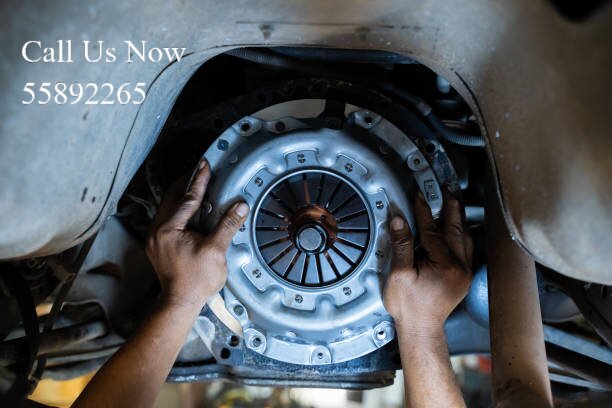
Audi transmission overhaul is a comprehensive process aimed at a radical repair of the automatic transmission, to ensure its restoration to optimal performance and original efficiency after significant internal faults have appeared.
This procedure goes beyond merely replacing certain parts and focuses on nearly completely rebuilding the transmission.
The Audi transmission overhaul begins with a precise diagnosis using specialized diagnostic tools that are compatible with Audi systems. These tools identify the fault-related codes and provide a detailed picture of the transmission’s performance in real-time.
After the diagnosis, the transmission is removed from the vehicle, and the old transmission fluid is drained.
The disassembly phase of the transmission is a crucial part of the process, where specialized technicians meticulously inspect all internal components. This phase includes:
Mechatronic unit: The mechatronic unit is considered the brain of the transmission. Electronic components such as sensors and solenoids are examined, and maintenance or replacement is performed if necessary.
Clutch packs and steel plates: These components are the most susceptible to wear and damage. All parts showing signs of burning or wear are replaced to ensure smooth energy transfer.
Gears and bearings: The condition of the gears and bearings is inspected to identify any damage or roughness, and damaged parts are replaced to ensure the transmission operates smoothly and without unwanted noise.
Oil pump and seals: The oil pump is tested to ensure optimal hydraulic performance, and all worn seals or gaskets are replaced to prevent oil leaks and ensure consistent pressure within the system.
After inspecting each component and repairing or replacing it with high-quality original spare parts, the transmission is reassembled with high craftsmanship according to the manufacturer’s precise standards.
It’s then reinstalled in the vehicle and filled with new fluid that is fully compatible with the type of transmission.
The final and important step involves programming the transmission control unit and adapting the system to the new components.
The Audi transmission overhaul process helps the transmission adapt to the replaced components and restores the original shift points, ensuring smooth performance, effective response, and a long lifespan for the transmission , similar to its performance when the car leaves the factory55892265.
The Importance of Audi transmission Refurbishment
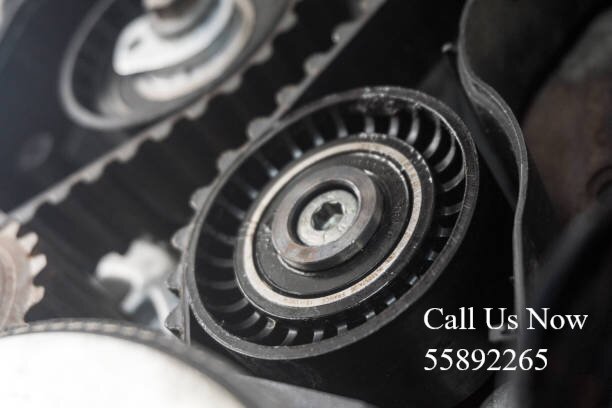
Refurbishing the Audi transmission overhaul is considered more than just a repair process; it’s a strategic step that represents a fundamental investment in enhancing the performance and reliability of your luxury vehicle.
The great importance of this process is evident through several key aspects:
Restoring the Original Performance of Audi Cars
The transmission in Audi vehicles, especially advanced systems like DSG and S-Tronic, is designed to provide an exceptional driving experience characterized by smoothness, quick responsiveness, and unmatched dynamism.
When malfunctions occur in the transmission , this performance is directly affected. Refurbishment restores all components to their optimal condition, ensuring the unique driving experience is regained and allowing you to utilize the full power of the engine with efficiency and torque.
Enhancing Reliability and Reducing Unexpected Failures
The transmission is the essential element that connects engine power to the wheels. Any malfunction in it can cause unexpected stops or unsafe driving behavior.
Refurbishment addresses all defects from their roots and rebuilds a completely reliable transmission system, reducing the likelihood of future problems and ensuring a smooth and safe driving experience.
Extending the Lifespan of the transmission and the Vehicle as a Whole
Neglecting internal issues of the transmission can lead to greater damage affecting other vital parts, which may require costly replacements or even the complete loss of the transmission.
transmission refurbishment acts as a preventive solution that renews sensitive components and significantly increases the lifespan of the system, preserving the vehicle’s economic value and performance for a long time.
Improving fuel efficiency and reducing emissions
Faults within the transmission lead to energy wastage over time. Slipping in the clutches or inaccuracies in shifting force the engine to work harder, increasing fuel consumption and harmful emissions.
After the recalibration process, the transmission regains its optimal operational efficiency, and the engine performs more balanced, reducing fuel consumption rates and minimizing the vehicle’s environmental impact.
Optimizing the advanced technology of Audi
Audi transmission overhaul aren’t just mechanical systems; they combine hydraulic, electronic, and mechanical components in precise harmony.
The recalibration professionally readjusts these systems and ensures that all technical components operate with integrated efficiency, giving you the opportunity to fully benefit from the advanced features of the vehicle.
Maintaining a luxurious driving experience and absolute comfort
The hallmark of Audi cars is comfort and smoothness while driving. Issues in the transmission, such as unfamiliar noises or bothersome vibrations, diminish the luxury of the experience.
Recalibration restores the transmission’s ability to shift gears smoothly and silently, maintaining the exceptional level of comfort known as Audi.
In conclusion, Audi transmission overhaul isn’t just a repair for faults; it’s a strategic step designed to revive the beating heart of the car and ensure it continues to deliver the remarkable and impressive performance it has always been known for, while maintaining investment value and reliability for as long as possible.
Problems with Audi transmission overhaul

Audi transmission overhaul, despite its vital role in restoring transmission performance, presents challenges that involve technical obstacles and potential issues directly affecting the quality and cost of repairs.
These obstacles highlight the importance of relying on professional technicians and original spare parts to ensure the best results.
The Challenge in the Mechatronics Unit
The mechatronics unit is the core of the transmission in modern Audi cars (especially DSG/S-Tronic), as it combines electronic and hydraulic aspects:
Complexity of diagnosis and repair: Mechatronics failures are often precise and require specialized expertise and advanced diagnostic tools to identify the exact problem, whether in valves, sensors, or electronic boards. In some cases, replacing the entire unit is preferred due to its high cost and difficulty of repair.
Need for precise programming: Any repair or replacement requires reprogramming and adapting the unit to the car’s systems to ensure smooth operation, a process that requires exclusive dealer equipment.
High Cost of Original Spare Parts
Superior Quality: The spare parts used in the transmission are made to excellent standards, such as clutches, steel plates, and valves, which reflects their high prices.
Limited Availability: Some parts may not be available outside the official dealer network, increasing the time and cost associated with repairs.
Scarcity of Specialized Experts
Unique Design: Audi transmission overhaul, especially DSG and S-Tronic, differ from traditional transmissions and require specific technical expertise to handle.
Continuous Development: The ongoing evolution of Audi systems necessitates continuous updates to technicians’ skills to keep up with the latest advancements.
Precision in Reassembly and Calibration
Assembly Sensitivity: Any slight error during the reassembly of the transmission can lead to significant malfunctions that affect the lifespan of the renewed parts.
Pressure Adjustment: The flushing process requires precise adjustment of oil pressure using specialized measuring devices to ensure smooth and safe gear shifting.
Issue of Residual Contamination in the Oil System
Fine Deposits: Even after draining the old oil, some metallic residues may remain trapped within the system, threatening to contaminate the new oil quickly.
Negative Impact: If the system is not cleaned thoroughly, this contamination may lead to premature wear of parts or valve failure.
Difficulty in Identifying the Root Cause of the Failure
Interrelated Failures: Secondary issues resulting from the main failure may complicate the diagnostic process, leading to repairs that focus on symptoms while neglecting the root cause.
Irregular Failures: Some problems appear intermittently, making their detection and repair a procedure that requires precise expertise.
Unrealistic Customer Expectations
Misconception: Some expect that the flushing process will return the transmission to its original “like new” condition, while it’s essentially a repair of specific parts to enhance performance.
Unexpected Additional Costs: Sometimes, issues only become apparent after disassembling the transmission, raising the overall cost and causing concern for the customer.
Overall, the Audi transmission flushing process is considered a profound technical challenge that requires high expertise and extreme precision to avoid risks and ensure repairs that achieve the desired performance with the highest possible quality.
Reasons for Audi transmission overhaul
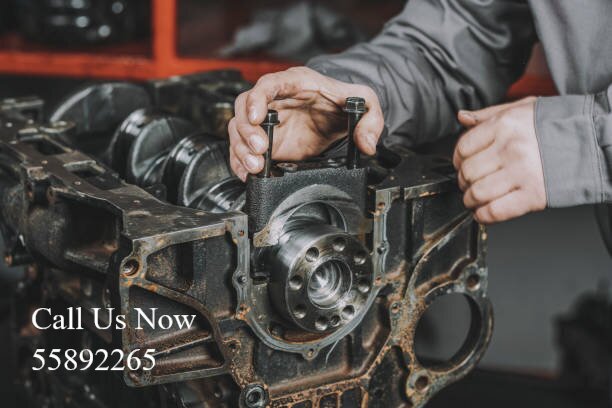
Reconditioning the Audi transmission is a necessary and critical procedure in cases where a set of symptoms and complex problems indicate an internal failure that cannot be repaired through simple interventions.
To understand the causes of these failures and to carry out the reconditioning process correctly, the following reasons should be focused on:
Complete failure of the mechatronic unit
The mechatronic unit is considered the brain of the Audi transmission, especially in DSG and S-Tronic systems. Over time, it may suffer damage due to:
Damage to hydraulic valves: responsible for controlling oil pressure and gear shifting.
Wear or cracking of oil passages: leading to loss of pressure and overall poor transmission performance.
Failures of the electronic board: due to high temperatures or electrical damage, disrupting the connection between sensors and actuators.
When the damage reaches a wide level within this unit, reconditioning becomes necessary to rehabilitate all the affected parts.
Damage or burning of clutch packs
Clutch packs are the essential element that connects and disconnects power to the gears for shifting. They typically suffer damage due to:
Aggressive driving behavior: such as rapid acceleration or frequent stopping.
Increased transmission temperature: due to low oil levels or a blocked oil cooler, or driving in harsh conditions, leading to burning of friction materials.
Natural wear due to prolonged use: without necessary regular maintenance.
When the clutch packs burn or suffer significant damage, it results in transmission slippage and inefficiency in power transfer, necessitating the replacement of all clutch packs as part of the reconditioning process.
Problems in the Gear and Bearing System
Despite the strong design of Audi gears, they can experience failures such as:
Tooth wear or breakage: due to lack of lubrication or driving under high pressure on the transmission.
Bearing damage: which supports the gears and shafts, causing annoying noises, vibrations, and increased friction.
In these cases, the entire transmission is disassembled to replace damaged parts such as gear sets and bearings.
Clogging or Damage to the Transmission Oil Pump
The oil pump is responsible for circulating transmission oil and providing the necessary hydraulic pressure for efficient operation.
Pump clogging: caused by the accumulation of deposits and impurities from old oil.
Pump failure: can lead to low oil pressure and difficulty in shifting gears.
Fixing the problem requires access to the pump and replacing it as part of the overall overhaul process.
Contamination and Degradation of Transmission Oil
Neglecting to change the transmission oil and filter regularly is one of the main causes of transmission failure.
Accumulation of impurities and deposits: causes the oil to lose its ability to lubricate and cool, leading to wear of the internal components of the transmission.
Seal and gasket damage: due to heat buildup or using old oil, causing oil leaks and loss of pressure.
In this case, complete cleaning and replacement of damaged parts is the only solution to restore transmission efficiency.
Torque Converter Problems
The torque converter plays a vital role in transferring power between the engine and the transmission.
Internal damage to the converter: manifests through vibrations, slipping, or overheating of the transmission.
Lock-up clutch problem: causes a jolt or shake at certain speeds with increased fuel consumption. Although the torque converter is a separate component, it often requires transmission overhaul for repair or replacement.
The complex design of the Audi transmission overhaul often makes the symptoms intertwined and overlapping. Therefore, accurate diagnosis and the complete execution of the Audi transmission drying process are the only ways to restore high performance and reliability55892265.