

Audi engine repair 55892265

Audi engine repair is an advanced technical process aimed at restoring the outstanding performance and high efficiency that Audi engine repair are known for.
This process is not limited to fixing visible faults; it includes a comprehensive and precise understanding of the mechanical, electronic, and software complexities that characterize these advanced engines.
The first step in Audi engine repair is accurate diagnostics, which goes beyond merely reading fault codes using specialized diagnostic tools.
This includes analyzing live engine data, conducting pressure tests, and inspecting integrated systems such as the direct fuel injection system, turbochargers, and variable valve timing systems like Valvelift.
Based on the diagnostic results, the necessary actions are determined, which may include:
Repairing mechanical faults: Addressing wear on internal engine parts such as pistons, rings, and bearings, repairing damaged cylinder heads, or replacing timing system components like timing chains.
Fuel system maintenance: Cleaning or replacing fuel injectors in direct injection engines prone to carbon buildup, or repairing high-pressure fuel pumps.
Repairing electronic and electrical systems: Replacing faulty sensors such as crankshaft, camshaft, and oxygen sensors, repairing or replacing electronic control units, and addressing potential issues in electrical wiring.
Caring for turbochargers or superchargers: Addressing issues such as oil leaks, bearing damage, or performance failures in the forced induction system.
After the completion of the actual repair steps, the stage of carefully reassembling the engine follows to ensure its precise and efficient operation.
This is followed by the process of reprogramming and calibrating the electronic control units to achieve a complete balance between the new components and the rest of the vehicle’s systems.
The process concludes with comprehensive performance tests to ensure the engine is free of any faults and to guarantee optimal fuel efficiency and thrust.
Overall, repairing an Audi engine repair is more than just a physical repair; it represents a comprehensive blend of advanced mechanical expertise and a deep understanding of the electronic systems and precise software that embody the essence of this advanced technology55892265.
The Importance of Repairing an Audi engine repair

There are multiple reasons that necessitate the repair of an Audi engine repair, often resulting from a complex interplay of mechanical, electronic, and chemical factors.
Familiarity with these issues contributes to accurate diagnosis and prevents further damage.
Timing System Failures
The timing systems in Audi engine repair, especially those that rely on complex timing chains, are considered sensitive areas that may require repair.
Timing Chain Stretch: This occurs due to prolonged use or lack of maintenance, such as not changing the oil regularly or using oils that don’t meet specifications. This leads to valve timing issues and the emergence of abnormal sounds when starting the cold engine, with the possibility of error codes like P0016 or P0017 appearing. If not addressed, it may cause comprehensive engine damage.
Damage to Camshaft Timing Adjusters: These components play a role in enhancing engine performance by regulating the timing of valve opening and closing. Low oil pressure or wear can lead to failures in these parts, resulting in reduced torque, instability in engine rotation, and unfamiliar sounds.
Direct Fuel Injection System Issues
Modern Audi engine repair of the TFSI and FSI types rely on direct fuel injection, which can pose specific challenges.
Carbon Buildup on Intake Valves: Due to the lack of fuel cleaning the backs of the valves as occurs in indirect injection systems, carbon deposits accumulate on them, leading to reduced airflow, vibrations during operation, loss of power, and increased fuel consumption. The solution requires specialized cleaning of these valves.
High-Pressure Fuel Pump Problems: Responsible for raising the fuel pressure necessary for direct injection. Damage or leaks in these pumps affect performance, causing difficulty in engine starting or sudden stalling.
Fuel Injector Malfunction: The precise and sensitive fuel injectors may become clogged or damaged. This affects the even distribution of fuel and leads to engine vibration and increased harmful emissions.
Excessive Oil Consumption and Valve Seal Issues
Some older Audi engine repair or those with high mileage may experience excessive oil consumption.
Valve Seal Damage: This allows oil to leak into the combustion chamber through the valve guides, causing blue smoke during cold starts or after idling, along with carbon buildup.
Piston Ring Issues: Worn or broken piston rings lead to oil leaking into the combustion chambers or loss of pressure from the engine towards the crankcase, affecting performance and oil consumption.
Crankcase Ventilation (PCV) System Problems
This system helps regulate pressure within the engine and manage oil vapors.
Clogged or Damaged PCV Valve: This causes pressure imbalance within the engine, resulting in oil leaks or smoke during operation, and possibly an unusual whistling sound.
Forced Induction System Failures (Turbo or Supercharger)
Turbochargers play a significant role in enhancing the performance of modern engines.
Charger Bearing Damage: This occurs due to lack of oil or the use of unsuitable oils, causing annoying noise, blue smoke from the exhaust, and a noticeable drop in power.
Exhaust Bypass Valve or Pressure Relief Valve Failure: This leads to issues with charger pressure regulation and performance loss, along with the appearance of fault codes related to boost pressure.
Cylinder Block and Cylinder Head Problems
These failures are rare but require special attention.
Cracked Cylinder Head: Often resulting from severe engine overheating, it leads to mixing of water with oil or the emergence of thick white smoke from the exhaust.
Audi engine overhaul

The process of repairing an Audi engine repair isn’t just a simple repair; it is akin to reviving the engine, restoring the excellent performance it had at the time of manufacture.
At Shara Auto Garage, we’re committed to providing this service using the latest technologies and specialized tools, along with a highly experienced team to ensure results that exceed expectations.
The steps involved in the overhaul include removing deposits and impurities that accumulate inside the engine over time, as well as a thorough inspection of all components such as pistons, rings, and valves, along with replacing damaged parts to ensure optimal operation.
After completing the Audi engine repair process, the engine regains its fuel efficiency and becomes more reliable and less prone to future breakdowns.
Benefits of Audi Engine Reconditioning
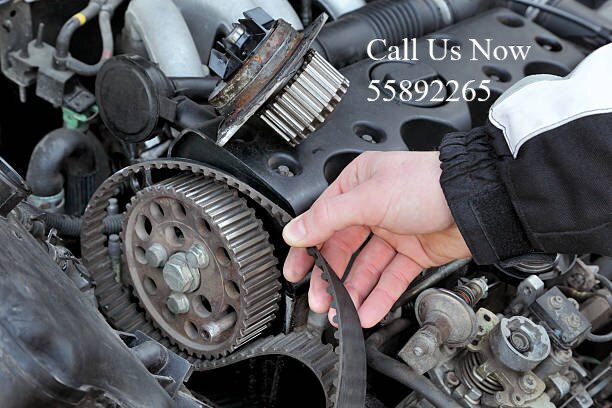
The process of repairing an Audi engine repair is considered a strategic choice that contributes to enhancing the car’s performance and maintaining it for a long time. This process offers many tangible advantages, the most notable of which are:
Restoring engine efficiency, making it more economical in fuel consumption and less prone to technical issues.
Extending the engine’s lifespan by replacing damaged components and effectively cleaning the combustion chamber.
Improving the overall performance of the vehicle in terms of acceleration and stability while driving.
Reducing harmful emissions resulting from the combustion process to ensure a lower environmental impact.
Repairing an Audi engine repair represents a vital step towards maintaining the quality of your car and ensuring it operates at optimal performance levels55892265.