

Car Electrical Checkup 55892265
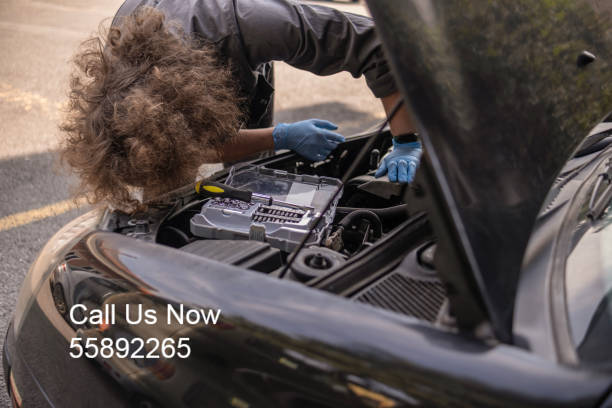
Electrical systems are an essential part of modern American cars, controlling everything from starting the engine to a variety of advanced infotainment and safety features.
On the other hand, as the complexity of these systems increases, so does the potential for issues to arise within the electrical networks.
As a result in Car Electrical Checkup, understanding or recognizing these issues, along with performing regular maintenance, troubleshooting, and electrical inspections, is vital to ensuring vehicle reliability, performance, and safety.
As automotive technology continues to evolve, knowing how to troubleshoot electrical systems becomes increasingly important.
By addressing common automotive electrical inspection issues such as battery and alternator failures, wiring issues, and faulty controllers and sensors, we can ensure that our cars remain reliable, efficient, and safe on the road.
In the same vein, regular maintenance and prompt repairs can help prevent many of the most common issues with Car Electrical Checkup.
The use of diagnostic tools is essential to accurately identify issues in modern vehicles.
Automobiles rely heavily on complex electrical systems, making them susceptible to a range of common electrical issues. Here are some of the most common issues in U.S. vehicles:
Battery issues vary depending on the make, model, and age of the vehicle. However, there are some common issues that American car owners face, including:
Short battery life: Many drivers experience batteries that last less time than expected, due to several factors such as high or low temperatures, frequent short trips, as well as the age of the battery itself.
Battery drain: Some vehicles suffer from parasitic drain, where the battery loses its charge even when the car is not running. This is caused by certain electrical components that continue to draw power even after the car is turned off.
Charging system malfunctions: Issues with the alternator or charging system result in the battery not being able to recharge properly, causing the battery to run out of charge even when it is in good condition.
Corrosion: Over time, battery terminals corrode, which can affect electrical conductivity and prevent proper charging or discharging.
Defective wiring: Bad connections or damaged cables lead to issues with the battery and the overall electrical system of the car55892265.
U.S. Automotive Electrical Checkup
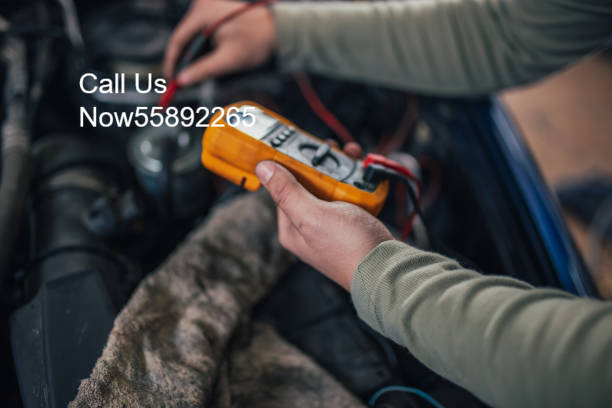
A variety of factors cause wiring issues in American cars. Learn about some common issues and potential solutions with us at Car Electrical Checkup:
Corrosion: Corrosion of wires and connectors, especially in areas with high humidity or when road salt is used, leads to poor connections and electrical failures.
Wear and tear: Over time, wires are exposed to vibration, friction, and environmental factors, leading to short circuits and open circuits.
Rodent damage: Rodents may chew on electrical wires, leading to serious damage.
Bad ground connections: Poor ground connections can lead to a variety of electrical issues, from dim lights to malfunctioning sensors.
Defective electrical components: Sometimes the issue can be caused by faulty electrical components themselves, such as generators, batteries, or sensors.
Improper repairs or adjustments: Previous improper repairs or aftermarket modifications can lead to electrical issues.
Software issues: Modern cars rely heavily on software, and errors or defects in it can lead to electrical issues.
Fuse and relay issues: Damaged fuses or faulty relays can lead to interrupted circuits.
Voltage fluctuations: Voltage fluctuations can cause damage to Car Electrical Checkup electrical systems and components and need to be checked by an automotive electrician.
Wiring harness issues: The wiring harness itself may have issues, such as damaged wires or poor connections.
Car Electricity Checkup Service
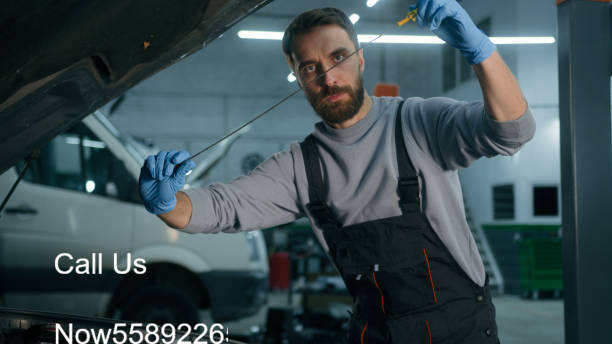
In order to ensure the safety of the driver and his/her car, it is necessary to perform a periodic check of the electrical system.
You should check the car’s with Car Electrical Checkup to ensure safety first, as electrical failures can lead to serious issues such as brake or headlight failure.
Secondly, to ensure high performance, electrical issues can affect the performance of the engine and fuel system. Detecting faults early helps avoid aggravation and high repair costs.
To check the battery in an automotive electrical inspection, follow these steps:
Check for any acid leaks or damage to the battery terminals.
Use a voltmeter to measure the voltage, which should be around 12.6 volts when the car is parked, and 13.7 to 14.7 volts when the engine is running.
If the battery is the type that can be tested for density, use a densitometer to make sure it’s within the allowable range.
Next, you should start the engine and check the voltage at the battery. If the voltage is less than 13.7 volts, there may be an issue with the alternator.
Then, turn on electrical appliances such as lights, air conditioner, and wipers, and note any significant drop in voltage.
Inspect the ignition system by checking the spark plugs for cleanliness and no carbon or dirt. Next, check the wires for any damage or cracks, and make sure the coil is working properly.
Make sure the fuses are intact and not burnt out, and use a resistance meter to check their condition.
Check that all lights and signals are working properly, and observe the brightness of the lights.
Use the OBD2 scanner to read the fault codes stored in the engine control unit, and make sure the various sensors such as the temperature sensor and oxygen sensor are working.
How do I know if my car’s electrics are faulty?
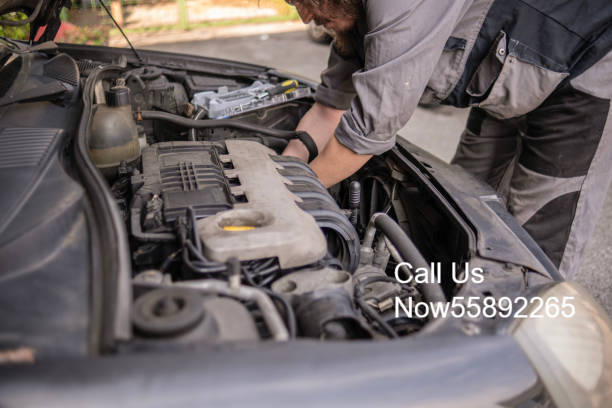
In some simple cases, such as loose wires, you can fix the issue yourself by using a crimp connector or soldering the wires well, while using Car Electrical Checkup tubes to avoid any unwanted electrical contact.
However Car Electrical Checkup, for cases that are more complex within a car electrical inspection, such as alternator or battery damage or corroded wires, it’s best to head to a specialized workshop to inspect and repair the electrical system.
Suggested solutions include the following in a car electrical inspection:
Checking the battery
The battery should be checked to make sure it is healthy and can hold a charge. A damaged battery can be one of the main causes of electrical leakage, so make sure there is no internal damage.
Check the electrical system
It’s important to check the various electrical wires and components for any damage or corrosion that could be causing the leak. Corrosion or damage to wires can lead to energy leakage, which requires immediate repair.
Using a leakage meter
Technicians rely on specialized devices to accurately measure and detect electrical leakage, as these devices help to quickly and effectively locate where leakage is occurring.
After identifying the source of the leak, the damaged parts are repaired or replaced to ensure that the electrical system is restored to its normal state. These parts may include damaged wires, the battery, or the generator.
If the issue is related to minor damage such as faulty wiring, you can try to fix it yourself, but you must follow careful steps such as soldering the wires together and using crimp connectors or shrink tubing to ensure that the repair is closed properly and safely with an automotive electrical inspection where you can call for Car Electrical Checkup service via number 55892265